
Special Offer -
Save big on your next home improvement project!
Emergency Roof Tarping vs. Permanent Replacement & Insurance Claims

When a severe storm system or tropical hurricane sweeps across South Florida, your roof is your home's first line of defense. But when high-velocity wind gusts peel back shingles, dislodge tiles, or send tree branches crashing onto your roof deck, the aftermath can feel overwhelming.
Water dripping through your ceiling drywall requires immediate action. But in the chaotic days following a major storm, many homeowners struggle to navigate the crucial middle ground: What is the difference between emergency roof tarping and a permanent roof replacement, and how do you handle insurance without getting burned?
As licensed and trusted roofing contractors in South Florida, we've helped hundreds of Tri-County homeowners navigate storm recovery. In this guide, we break down what emergency tarping actually accomplishes, why it’s a critical step for your insurance claim, and how to transition smoothly to a permanent, code-compliant roof replacement.
What is Emergency Roof Tarping? (The Temporary Shield)
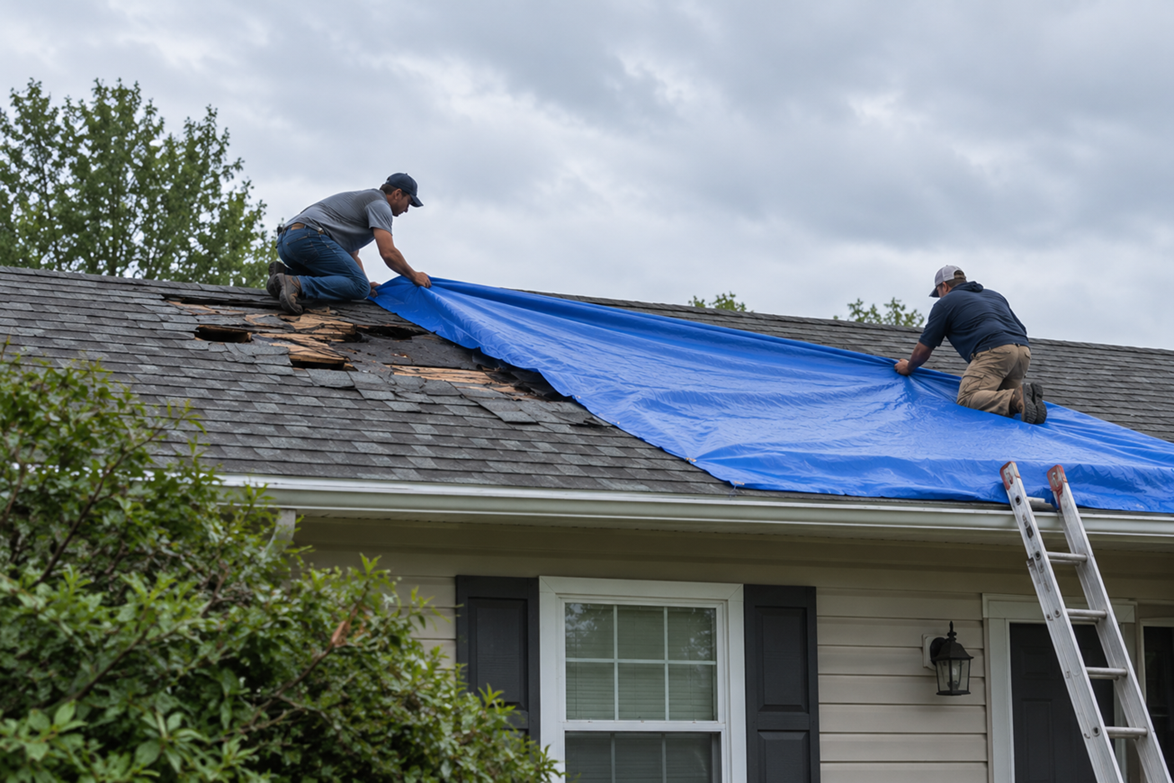
Emergency roof tarping is the immediate installation of a heavy-duty, waterproof membrane (typically a thick, UV-resistant blue or black polyethylene tarp) over damaged areas of your roof.
It is not a permanent repair. Tarping is a temporary stabilization measure designed to achieve one primary goal: stop active water intrusion immediately until a full inspection, insurance assessment, and permanent repair or replacement can take place.
Why Emergency Tarping is Mandatory for Insurance Claims
Many homeowners don't realize that standard Florida home insurance policies contain a strict "Mitigation of Loss" clause.
This clause legally obligates you as the policyholder to take reasonable, immediate steps to protect your property from secondary damage after a storm. If a storm blows tiles off your roof on Tuesday and you leave the wood deck exposed to rain for two weeks without tarping it, your insurance carrier can legally deny coverage for the resulting interior water damage, ruined drywall, and mold growth!
How Professional Tarping Differs from a "DIY Quick Fix"
When desperation hits after a storm, it’s tempting to grab a tarp from a hardware store, climb a ladder, and throw some bricks on top of it. We strongly advise against this.
Walking on a wet, structurally compromised roof after a storm is extremely dangerous. Furthermore, improper tarping often causes more harm than good:
- The Nail Trap: Amateurs often nail wooden furring strips directly through undamaged surrounding tiles or shingles, creating dozens of new leak points across healthy sections of your roof!
- Sandbagging Done Wrong: Placing unanchored heavy objects on a tarp can cause them to slide off in the next gust of wind, smashing windows or pulling down gutters.
- Professional Anchoring: Licensed contractors install tarps using specialized board-anchoring methods around perimeter edges and ridge caps, ensuring the tarp stays completely taut and watertight against 50+ MPH gusts without damaging surrounding materials.
Transitioning from Tarping to Permanent Roof Replacement
Once the emergency tarp is secured and active water leaks are stopped, the clock begins ticking toward your permanent solution.
In South Florida's High-Velocity Hurricane Zone (HVHZ), deciding whether a roof can be patched or requires a full tear-off replacement comes down to strict local building regulations:
The 25% Florida Building Code Rule: Does Age Matter?
Under the historical Florida Building Code, if more than 25% of a roof section was damaged or repaired within a 12-month period, local building inspectors were legally required to mandate a total, 100% roof tear-off and replacement.
However, thanks to Florida Senate Bill 4-D, the law now depends directly on when your roof was permitted:
- Roofs Built/Permitted After March 1, 2009: If your existing roof was installed under the 2007 Florida Building Code or newer, you are exempt from mandatory full replacement. Even if damage exceeds 25%, you are legally allowed to repair just the damaged section, saving you thousands if the rest of the roof is sound.
- Roofs Permitted Before March 1, 2009: If your roof is over 15–17 years old and predates the 2007 code, the 25% rule still applies. Crossing that 25% damage threshold will legally trigger a complete roof replacement to bring the entire system up to modern High-Velocity Hurricane Zone (HVHZ) standards.
Not sure what code edition your roof falls under? Florida Home360 can pull your home’s municipal permit history to verify whether your roof qualifies for a localized repair or requires a full code-compliant replacement.
4 Crucial Steps to Take After Storm Roof Damage
If you discover a roof leak or missing materials after a storm in Broward or Miami-Dade, follow this exact playbook to protect your wallet and your home:
- Document Everything First: Before anything is moved or tarped, take clear photos and videos of the damage from the ground, as well as any interior ceiling stains or water leaks.
- Call a Licensed Local Contractor for Emergency Mitigation: Hire a licensed, insured roofing contractor to perform professional emergency tarping. Keep all receipts and invoices, these emergency mitigation costs may be reimbursable under your insurance claim (*Check your specific policy).
- Notify Your Insurance Carrier Immediately: Open your storm damage claim right away and provide the adjuster with the contractor’s photo documentation and tarping invoice.
- Schedule a Comprehensive HVHZ Roof Evaluation: Do not sign any "Assignment of Benefits" (AOB) contracts with fly-by-night storm chasers. Partner with a trusted, established local contractor like Florida Home360 to pull proper municipal permits and engineer a permanent, storm-ready roof system.
Don't Let a Temporary Problem Become a Permanent Headache
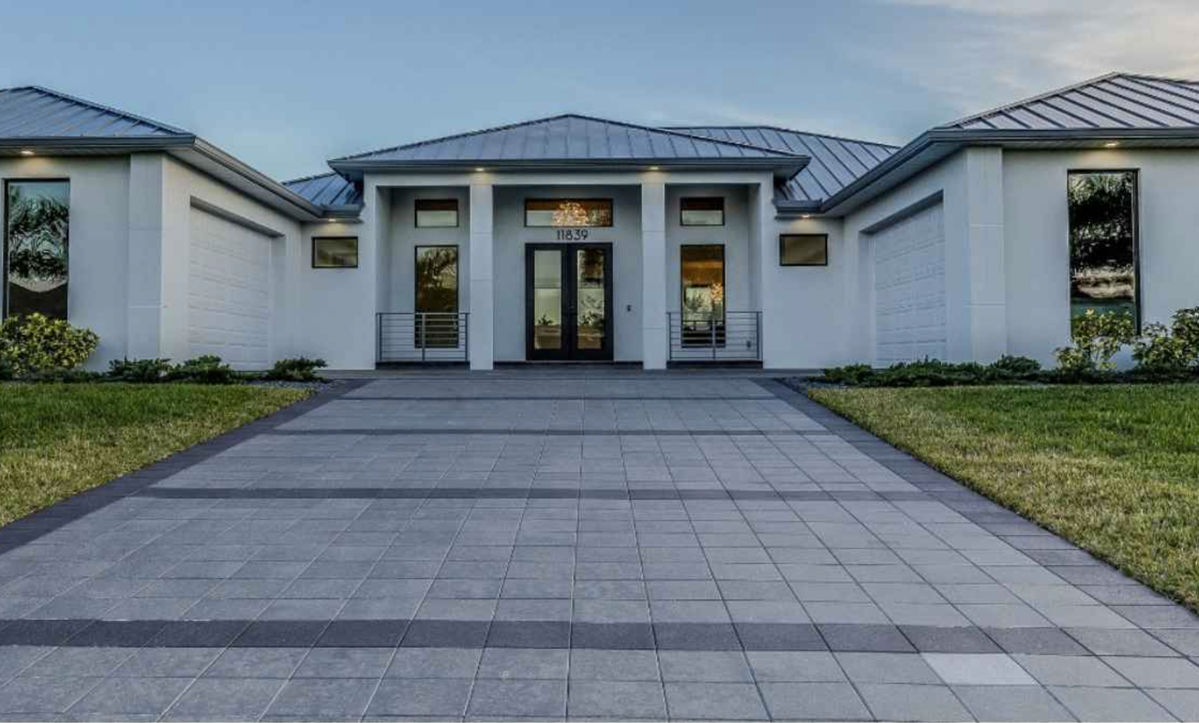
Emergency roof tarping is your temporary shield, but a certified, HVHZ-compliant roof replacement is what gives your family permanent peace of mind when the next tropical system forms in the Atlantic.
At Florida Home360, we stand by South Florida homeowners through every stage of storm recovery, from emergency response and leak containment to complete, engineer-verified roof replacements across Pembroke Pines, Fort Lauderdale, Miami, and beyond.
Need emergency roof assistance or a post-storm inspection? Contact our Pembroke Pines office today to speak directly with our licensed roofing team!
Awards & Accolades

700+ 5 Star
Google Reviews

A+ BBB
Rating

Angie Super
Service

GAF Master
Elite

Leader in
Energy Savings

